ADHD assessments
Neuroaffirmative ADHD assessments
Face to face, gold standard assessments consistent with NICE guidelines.
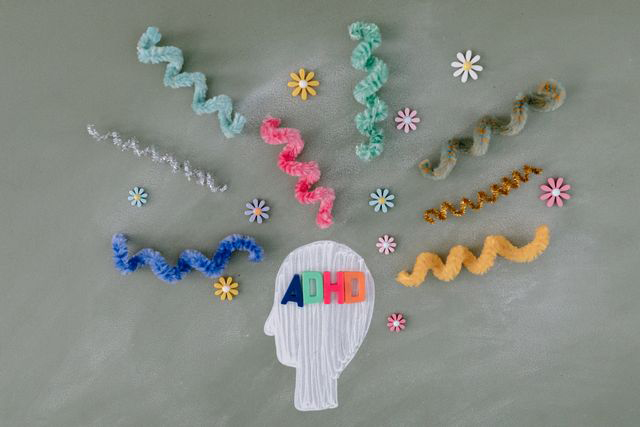
Understanding attention, activity and regulation
At Surrey Child Psychology, ADHD assessments are gold standard and embody a neuroaffirmative standpoint. I follow NICE Guidelines to support a comprehensive Attention Deficit Hyperactivity Disorder (ADHD) diagnostic assessment process.
ADHD assessments are completed with children aged 7 years and older and I assess up to the age of 21.
I offer combined ADHD and Autism assessments where clinically indicated.
Why assess?
Through early diagnosis, support and reasonable adjustments can positively impact a child’s development and outcomes. The level of support needed varies from person to person and across the young person’s life.
Many young people face misunderstandings and parents are sometimes unfairly blamed for their child’s behaviours. Families have often felt let down due to a lack of understanding of their child in different environments.
Some young people may also experience mental health difficulties such as anxiety, which could be masking their neurodiversity.
When might an ADHD assessment be helpful?
An ADHD assessment may be helpful if your child is experiencing ongoing difficulties with attention, activity levels or impulse control that is affecting their daily life.
A young person with ADHD may:
- Find it hard to concentrate or is easily distracted
- Appear unusually restless, fidgety or constantly “on the go”
- Act impulsively without thinking through consequences
- Struggle to follow instructions or complete tasks
- Have difficulties with organisation, routines or time management
- Experience challenges in school
- Find it hard to maintain friendships
- Become easily frustrated or have difficulty regulating emotions
ADHD can present differently in every child and some children, particularly those who are quieter or more internally distracted, may be overlooked.
Seeking an assessment does not mean something is wrong with your child. Rather, it is a positive step toward understanding how they experience the world.
Assessment pathway
Steps involved in an ADHD assessment
Pre-diagnostic and screening appointment
This involves an appointment to gather a detailed account of the presenting profile, both current and historical. Following this, if there are enough clinical indicators, we may proceed with a full diagnostic assessment. This appointment lasts approximately 50 minutes.
You are under no obligation to proceed with an assessment after this appointment. What matters most is that you find the right fit for yourself and/or your child.
If there are enough markers, forms and screening measures are completed by parents, the young person depending on age, and the school.
Background information
Forms containing questions and screening measures are completed by parents, the young person depending on age, and the school. These help build an enhanced understanding of the young person’s challenges, experiences at home and school, developmental history, and any possible differential diagnoses.
Full diagnostic assessment
This involves Dr Holly Thompson completing a clinical interview called the ADHD Childhood Interview (ACE) with the child’s parents. This appointment takes approximately two hours and is typically conducted remotely.
Holly will then meet the young person, complete the young person’s interview and conduct the QB check (an online computer test measuring attention, impulsivity and hyperactivity). This takes approximately 60 minutes. Holly meets with another clinician to review the evidence obtained.
Feedback session
This is often carried out face to face. It involves meeting and feeding back the outcome of the assessment. This appointment typically lasts an hour.
Comprehensive report
You will receive a comprehensive report detailing your child’s profile of strengths and experiences, aligned with the outcome of their assessment according to the diagnostic criteria, if applicable.
This report will also include detailed recommendations tailored to your child’s individual needs and circumstances both at home and school.
Optional school feedback meeting
Part of my pathway includes providing feedback on the assessment outcomes and discussing practical, realistic recommendations with schools following the assessment. This appointment is virtual and lasts approximately 15 minutes.
Need some advice?
Would you like to talk things through?
If you are wondering whether an ADHD assessment may be helpful, I'd be happy to answer your questions and discuss whether an assessment feels right for your child.
Contact meFree online screener
ADHD Child & Young Person Questionnaire
Complete our free ADHD screening questionnaire to better understand your child's experiences. It takes around 5 minutes and provides an instant summary.
Start questionnaireFrequently Asked Questions
Do you prescribe medication?
As a psychology-led service, I do not offer a medication pathway following confirmation of an ADHD diagnosis.
I do have a link with a private prescriber who I can refer you on to if clinically indicated. You could also take my report back to the NHS. I advise speaking to your GP first to ensure they would be able to refer into the NHS ADHD team following a private assessment.
Medication is not the only option for managing ADHD symptoms and recommendations focus strongly on strategies and environmental adjustments in the first instance.